Efficiency · Hose design · Installation tradeoffs
Dual-hose portable air conditioners: when the design is worth it
A dual-hose design separates intake and exhaust airflow, reducing the negative room pressure created by a typical single-hose portable AC. That can improve sustained cooling, but hose design alone does not make every dual-hose model a good purchase.
What to know before buying
Who should choose dual hose
Choose a dual-hose or hose-in-hose model for a medium or large room, frequent hot-weather use or when efficiency matters more than the lowest purchase price. A single-hose unit can still be reasonable for a small room, occasional use or simpler installation.
- Dual hose reduces the amount of hot outdoor air pulled back into the room.
- Inverter operation and SACC capacity still matter independently of hose design.
- A bulky hose assembly or poor window seal can erase some practical benefits.
Matched to this specific need
4 models worth comparing
These recommendations are ranked for the room or priority named above. Start with fit, then compare price and features.
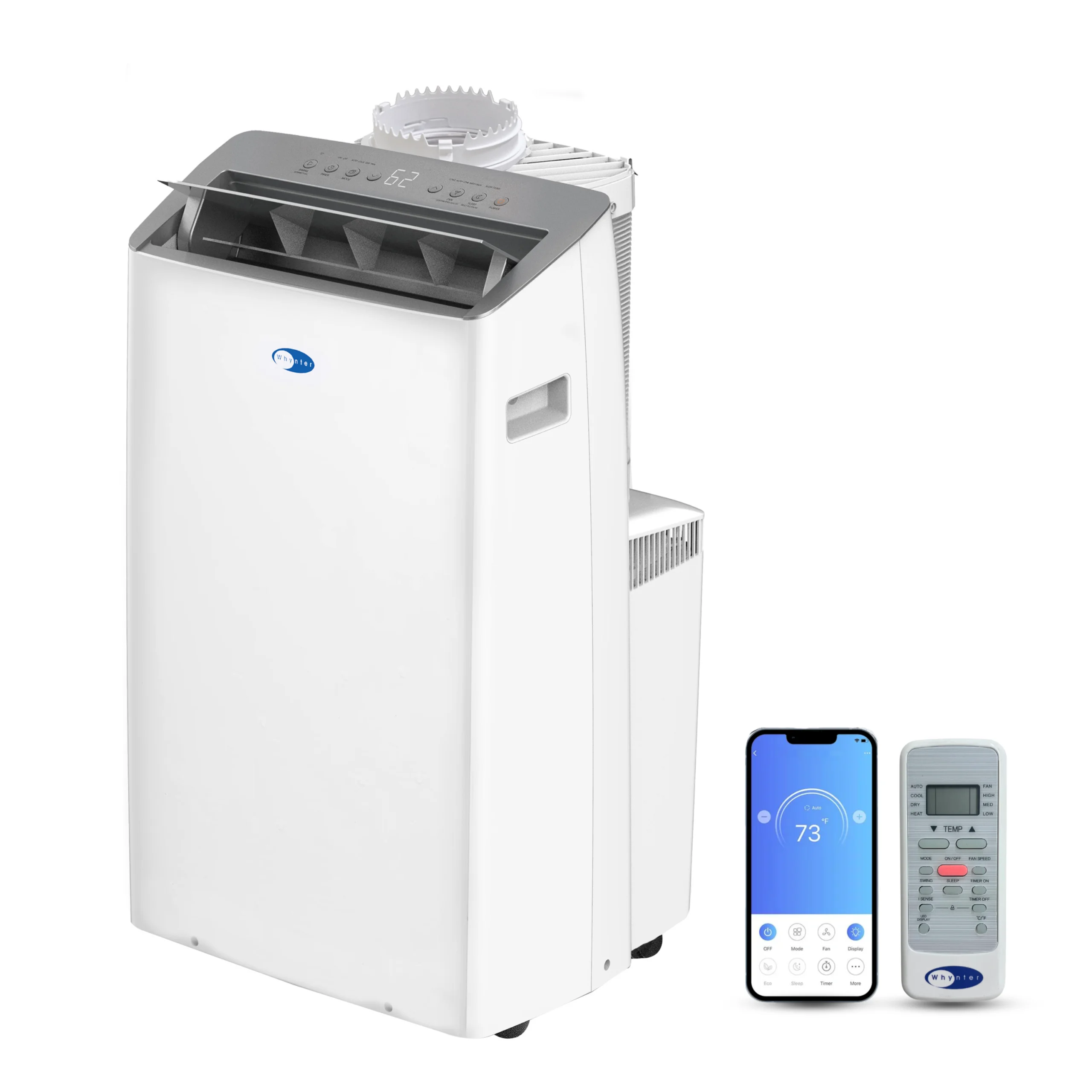
Whynter ARC-1230WN NEX
At 12,000 BTU SACC, its inverter and hose-in-hose design make it the strongest large-room option on this page.
- DOE SACC
- 12,000 BTU
- Room guidance
- Up to 600 sq. ft.
- Hose
- Hose-in-hose
- Noise
- Very quiet
Best forLarge rooms and frequent cooling where power and efficiency justify the price.
Know before buyingIt weighs 77.3 pounds and needs more physical space than smaller models.
Check current price on AmazonRead the complete verdict Affiliate link. Price and availability may change.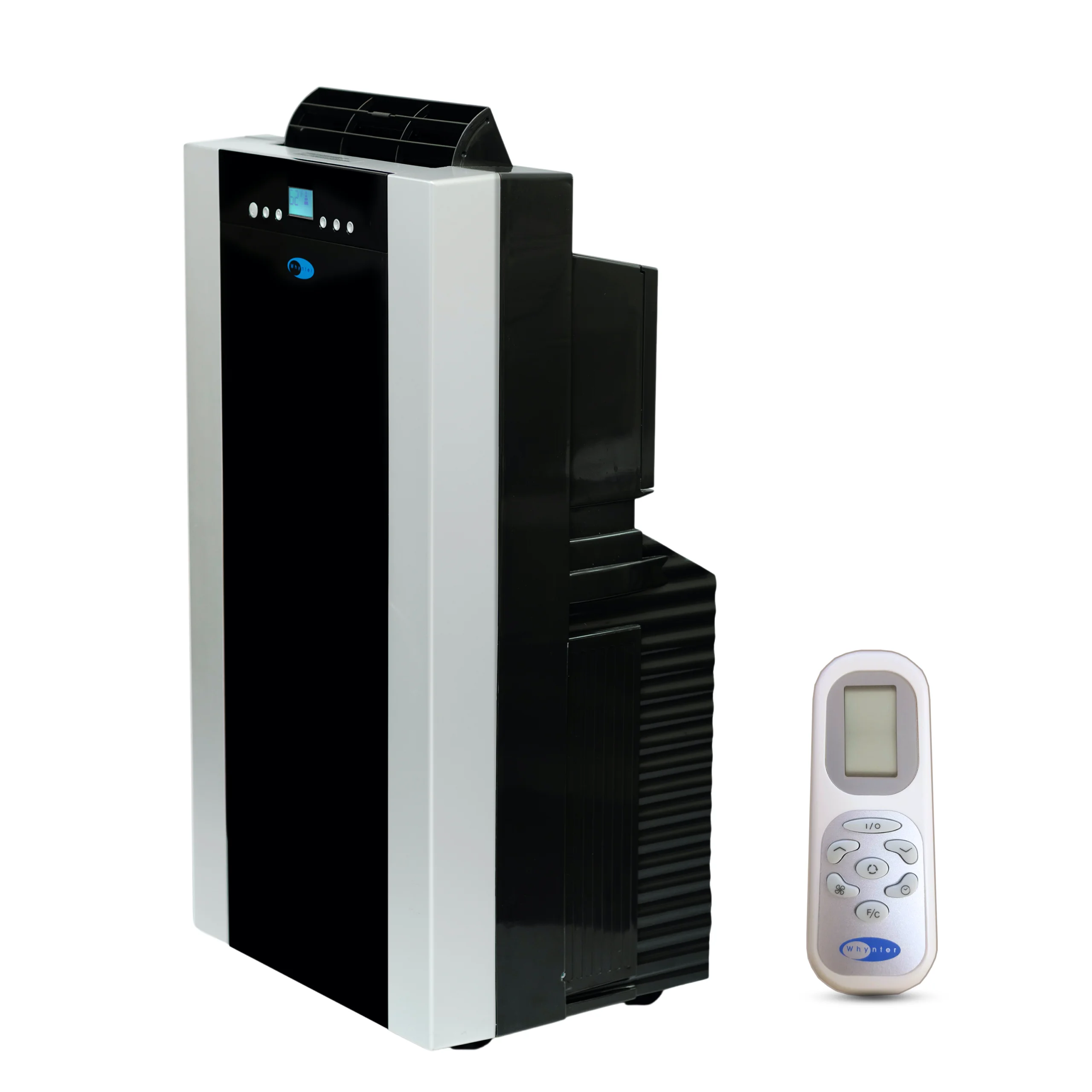
Whynter ARC-14S
The ARC-14S pairs 9,500 BTU SACC with a long public feedback history and a lower price than newer inverter models.
- DOE SACC
- 9,500 BTU
- Room guidance
- Up to 500 sq. ft.
- Hose
- Dual hose
- Noise
- Noticeable
Best forBuyers who want proven dual-hose cooling without paying for premium controls.
Know before buyingThe fixed-speed compressor is louder and less efficient than the inverter alternatives.
Check current price on AmazonRead the complete verdict Affiliate link. Price and availability may change.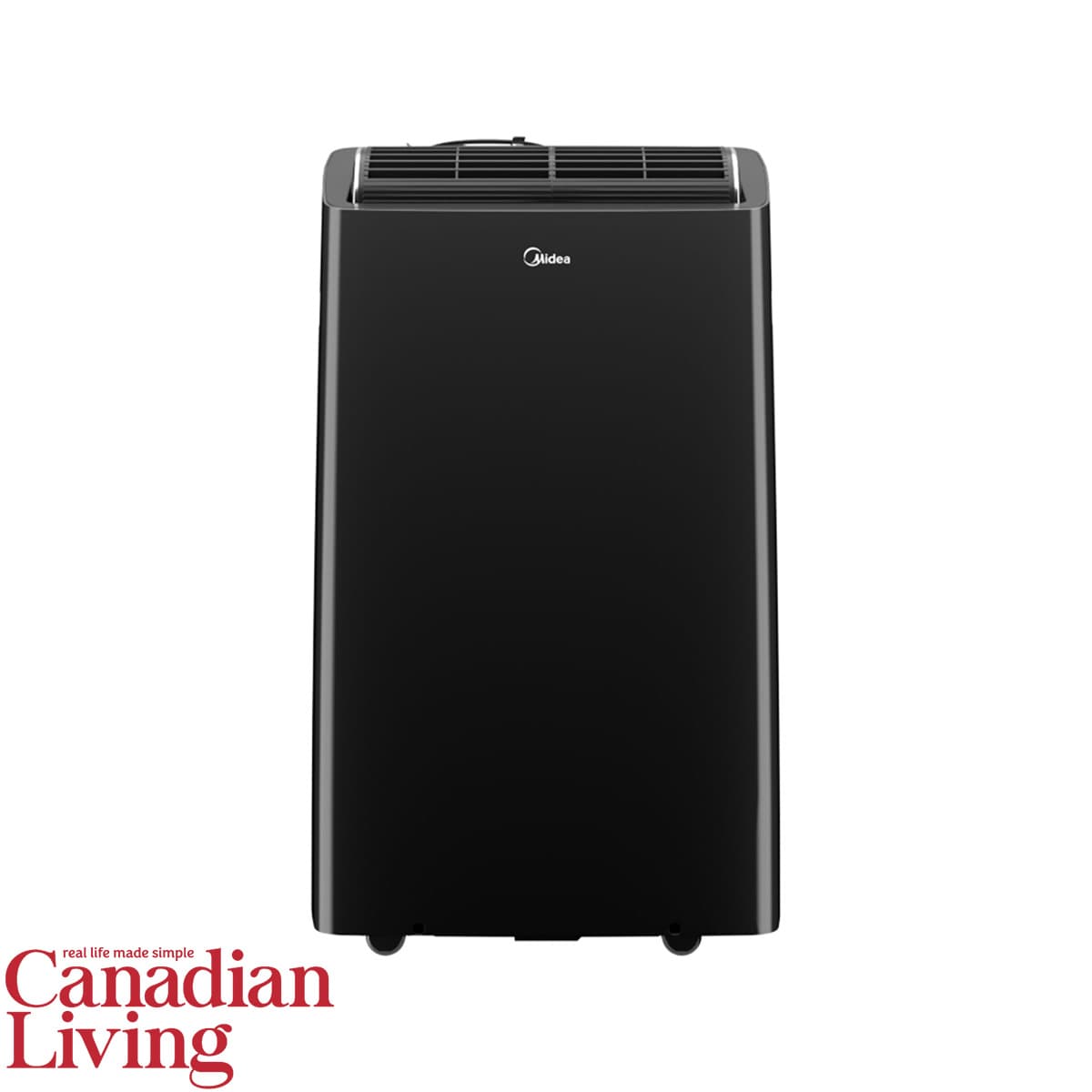
Midea Duo MAP12S1TBL
The Midea Duo combines 10,000 BTU SACC, inverter operation and a compact hose-in-hose arrangement.
- DOE SACC
- 10,000 BTU
- Room guidance
- Up to 450 sq. ft.
- Hose
- Hose-in-hose
- Noise
- Very quiet
Best forMedium rooms where quiet temperature maintenance and value matter.
Know before buyingIts visible owner rating trails both Whynter options.
Check current price on AmazonRead the complete verdict Affiliate link. Price and availability may change.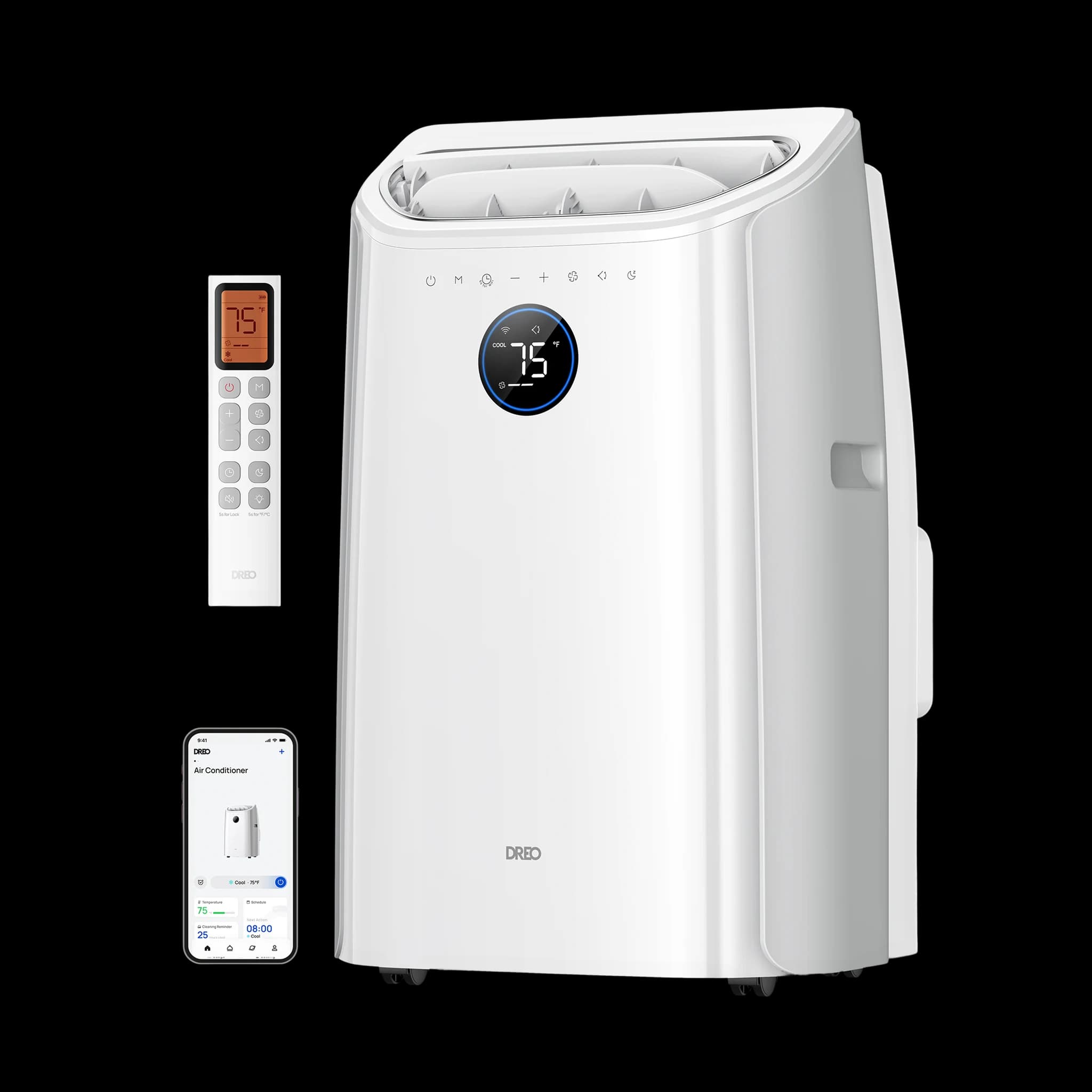
DREO 740S Inverter
The listing states 10,000 BTU SACC, 42 dB operation and app controls in a newer dual-hose inverter design.
- DOE SACC
- 10,000 BTU
- Room guidance
- 200–300 sq. ft.
- Hose
- Dual hose
- Noise
- Very quiet
Best forNoise-sensitive buyers willing to accept a less-established model.
Know before buyingIts premium price and much shorter owner-feedback history make it the higher-risk choice.
Check current price on AmazonRead the complete verdict Affiliate link. Price and availability may change.Single hose vs dual hose in plain language
A single-hose portable AC takes room air, uses part of it to carry heat across the condenser and pushes that hot air outside. The resulting pressure difference can draw warm air back through gaps around doors and windows.
A dual-hose design uses outside air for the condenser circuit and sends it back out separately. A hose-in-hose design packages those paths together. Neither design removes the need for a well-sealed window connection.
When single hose is still the rational choice
A small room used occasionally may not justify a larger or more expensive dual-hose unit. Single-hose products can also be easier to position and may offer better value when convenience is the main objective.
- Choose by room fit before feature count.
- Compare SACC, not only the ASHRAE headline.
- Inspect window-kit dimensions and hose flexibility.
The installation is part of the system
A poorly sealed panel, crushed hose or long exhaust path can reduce performance. Follow the manufacturer installation instructions, keep hoses within the allowed length and avoid improvised modifications that could create a safety or warranty issue.
Common questions
Frequently asked questions
Is dual hose always better?
It usually has an efficiency advantage because it reduces negative room pressure, but price, SACC capacity, noise, installation and product reliability can make a single-hose unit the better overall purchase.
What is hose-in-hose?
It is a combined assembly containing separate intake and exhaust paths. Functionally it aims to deliver the pressure benefits of two hoses in one larger connection.
Do dual-hose models cool faster?
They can sustain cooling more effectively by reducing hot-air infiltration, but actual cooling speed also depends on SACC capacity, room conditions and compressor design.
Are dual-hose units harder to install?
They can be bulkier at the window. Hose-in-hose designs simplify the number of visible connections but still require careful measurement and sealing.